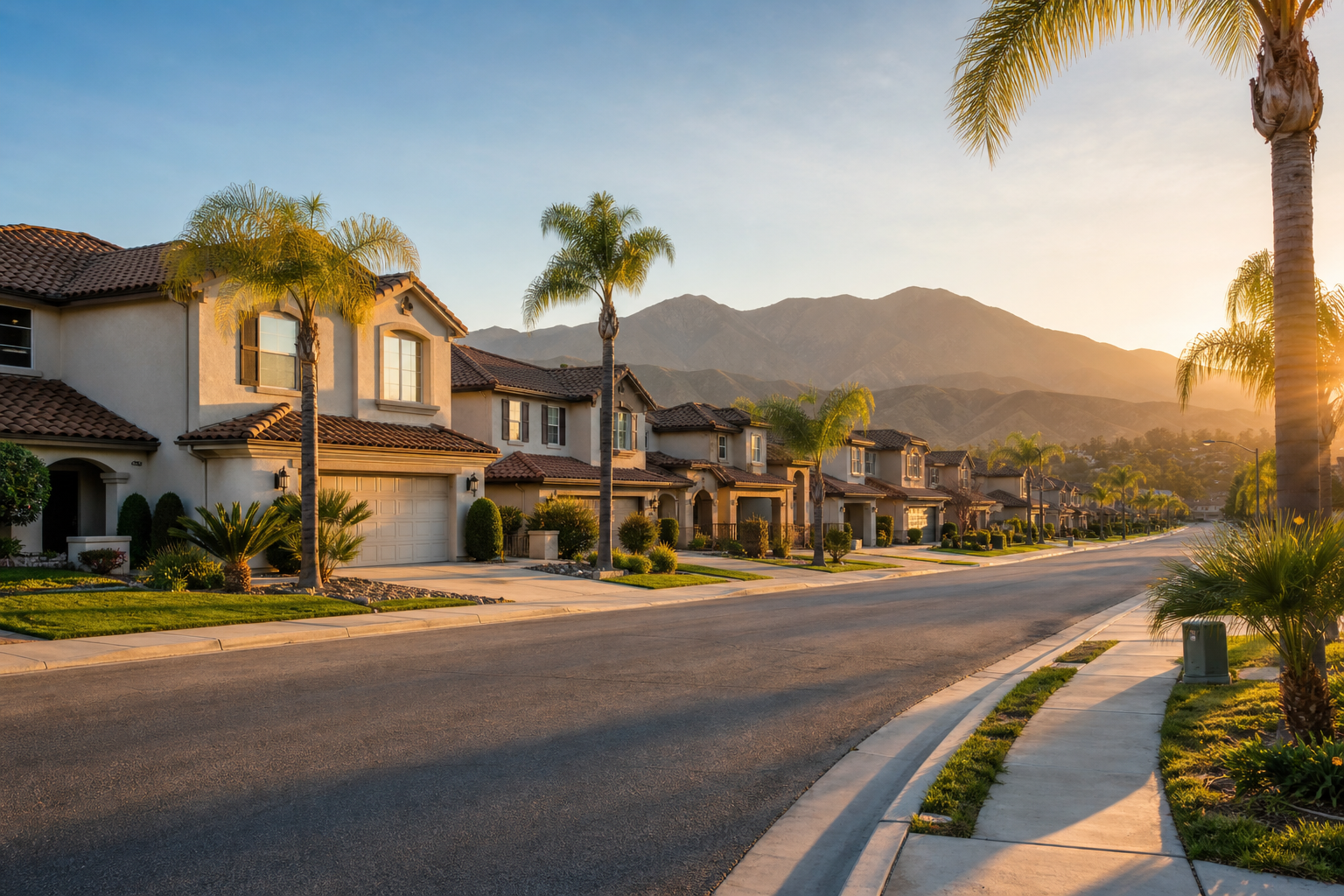
Moving to Ontario, CA: What Homes Really Cost in 2026 (A Local Buyer's Guide)
If you are thinking about moving to Ontario, California, you are not alone. Ontario has become one of the most popular landing spots in the Inland Empire for buyers coming from Los Angeles and Orange County, and for good reason: relative affordability, a real airport, and quick access to the 10, 15, and 60 freeways. But what do homes actually cost here in 2026, and what should you know before you start touring? As a REALTOR® who has served buyers in this market since 1990, here is the honest local breakdown.
What the Ontario Market Looks Like in 2026
Ontario sits in southwest San Bernardino County, right at the heart of the Inland Empire. After the pandemic-era surge pushed prices up across the region, the market has found its footing. Most recent data puts the median sold price for a single-family home in Ontario in the $640,000 to $665,000 range, with condos and townhomes typically trading lower, often in the low-to-mid $500,000s. Inventory is still tighter than a true buyer's market, but the days of twenty offers on every listing have cooled. Well-priced homes still move quickly, while over-priced ones sit — which means buyers who do their homework have room to negotiate.
Property taxes in Ontario run about 0.7% of assessed value, in line with neighboring cities like Rancho Cucamonga and Fontana. Many newer neighborhoods also carry Mello-Roos or special assessments, so always check the total tax bill on a specific property, not just the base rate.
What Your Budget Buys
Budget is usually the first question, so here is a realistic snapshot of what different price points get you in Ontario right now:
- Under $550,000: Mostly condos and townhomes, many in gated communities with HOAs. Some smaller older single-family homes south of the 60 freeway occasionally appear in this range, but they often need work.
- $550,000–$700,000: The core of the market. Three- and four-bedroom single-family homes, many built in the 1980s–2000s, with two-car garages and modest yards. This is where most first-time and move-up buyers land.
- $700,000–$900,000: Newer construction in Ontario Ranch, larger floor plans, and homes with upgrades like paid solar, RV parking, or premium lots. New-construction communities here often include parks, pools, and trails.
- $900,000 and up: Larger executive homes, view lots, and newer builds with high-end finishes. This segment is thinner in Ontario than in neighboring Chino Hills, but it exists, especially in the newest Ontario Ranch phases.
Old Ontario vs. Ontario Ranch
One of the first choices buyers face is which part of the city fits their life. Old Ontario — the established neighborhoods north and south of downtown — offers tree-lined streets, larger lots in some pockets, and no Mello-Roos in most areas. Homes are older, so budget for updates and inspections that pay close attention to roofs, plumbing, and electrical panels.
Ontario Ranch, south of the 60, is the massive master-planned area that has transformed the city's south side over the past decade. You get newer construction, community amenities, and modern energy-efficient builds — in exchange for HOA dues and, in many tracts, Mello-Roos taxes. Commuters like the quick 15-freeway access, and Ontario International Airport is minutes away. Both areas have their fans; the right answer depends on whether you value character and lower monthly fees or newness and amenities.
Costs Beyond the Mortgage
Buyers relocating from out of state are often surprised by the full monthly picture in California. Beyond principal and interest, plan for:
- Property taxes at roughly 0.7% of purchase price, plus any Mello-Roos special taxes in newer tracts
- HOA dues in most Ontario Ranch communities and many condo/townhome complexes, commonly $150–$400 per month
- Homeowners insurance, which has risen across California — get quotes early, especially for homes near open hillside areas
- Utilities, with summer electricity bills reflecting Inland Empire heat; newer homes with solar and better insulation help here
A good rule: qualify for the home you can comfortably afford on the full monthly number, not just the list price.
Getting Around: Commute and Airport
Ontario's location is one of its biggest draws. The 10, 15, 60, and 83 freeways put most of the Inland Empire within a short drive, and many residents commute west toward LA County or south toward Orange County. Traffic is real — plan your commute around peak hours — but many buyers find the trade worth it for the extra house they get compared to coastal prices. And having Ontario International Airport in your backyard is an underrated quality-of-life win, especially if you travel for work.
Tips for Buying in Ontario Right Now
- Get fully pre-approved before you shop. Sellers here still favor buyers who can prove they are ready, and a strong pre-approval lets you move fast when the right home hits the market.
- Check the total tax rate on every listing. Two similar homes can have very different monthly costs depending on Mello-Roos and HOA dues.
- Do not skip inspections on older homes. Old Ontario has solid houses, but 40-year-old roofs and original sewer lines deserve a close look.
- Compare new construction incentives. Builders in Ontario Ranch sometimes offer rate buy-downs or closing-cost credits that can beat the resale market on monthly payment, even at a higher list price.
- Work with someone who knows the tracts. Ontario's neighborhoods vary street by street. Local knowledge about specific communities, schools, and commute patterns saves you from expensive surprises.
The Bottom Line
Ontario in 2026 offers something that is getting hard to find in Southern California: a realistic path to owning a good home in a city with real infrastructure, at a price point that has not completely left first-time and move-up buyers behind. Whether you are drawn to an established street in Old Ontario or a brand-new build in Ontario Ranch, the key is going in with clear numbers and a local guide.
If you are planning a move, start with the numbers on the Ontario area page, browse current listings on the property search, and read more local advice in the first-time home buyer guide for Ontario. When you are ready to talk through your situation, reach out through the contact page — I have helped buyers and sellers in this market since 1990 and I am happy to answer your questions, no pressure and no forms standing between you and a real answer.