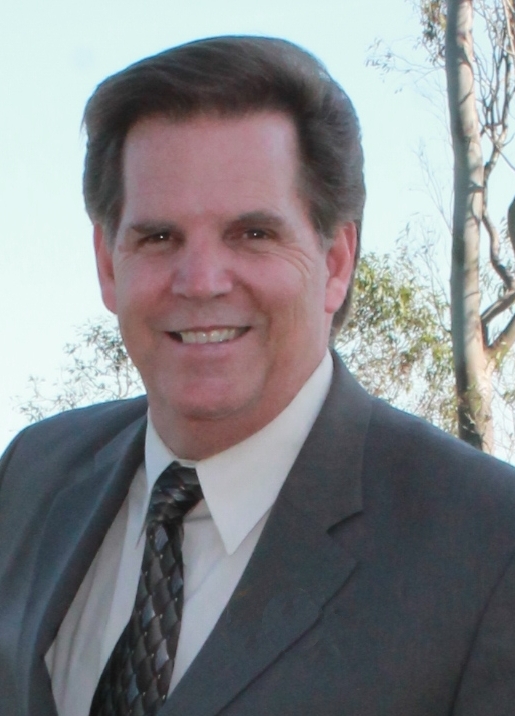
Moving to Ontario, California is designed for people who want more than a list of generic tips. Real estate decisions in Ontario depend on the property, the immediate neighborhood, financing, insurance, condition, timing, and the client’s larger plan. Jeff Upp has helped Southern California buyers and sellers since 1990 and uses that experience to make the moving parts understandable.
This guide focuses on choosing the right part of Ontario. Ontario International Airport, Ontario Mills, Toyota Arena, established streets, and new southern communities create several distinct location strategies. Use the framework below to organize questions and priorities, then confirm property-specific facts with the appropriate lender, inspector, insurer, association, district, city, attorney, tax professional, or other qualified source.
Build a Location Short List
Ontario International Airport, Ontario Mills, Toyota Arena, established streets, and new southern communities create several distinct location strategies. Start with employment, family, airports, schools to investigate, health care, recreation, and the maximum commute that still feels sustainable. Map those anchors before choosing listings. Southern California travel time is directional and time-sensitive, so distance alone is not an adequate measure.
For choosing the right part of Ontario, Jeff can set up a discovery tour that compares several submarkets and housing types in one trip. The objective is not to see the most homes; it is to learn which tradeoffs produce the best daily life.
Understand the Ownership Landscape
Ontario includes homes of different ages, construction styles, community structures, and insurance profiles. Ask about taxes, assessments, HOA dues, solar arrangements, maintenance history, utility patterns, and renovation permits. Buyers moving from another state should not assume the forms, timelines, or customary practices match their prior market.
A lender familiar with California purchases can model realistic cash and payment scenarios. Keep separate funds for inspections, appraisal, closing expenses, moving, and initial repairs. If a current home must sell first, plan the sequencing and contingency strategy before touring seriously.
Research, Then Verify
Online research is useful for orientation, but important facts should be verified with primary sources. Confirm school assignment with the district, zoning and permits with the city, insurance with a carrier, commute at real travel times, and community rules in the governing documents. Visit during daylight and evening.
Explore groceries, parks, downtown areas, trailheads, transit, and the route from the home to daily destinations. A relocation decision becomes clearer when it includes ordinary errands, not only polished listing appointments.
Coordinate the Move and Closing
Work backward from employment, lease, school, and possession dates. Build room for loan conditions, appraisal, inspections, repairs, title work, movers, utility changes, and the possibility that possession does not occur at the exact moment of recording. Keep critical documents, medication, and short-term necessities accessible.
Jeff’s experience since 1990 provides steady local coordination before, during, and after escrow. For choosing the right part of Ontario, that means connecting the contract strategy to a realistic move plan and helping the client arrive with fewer avoidable surprises.
Questions About Ontario Real Estate
When should I contact Jeff about choosing the right part of Ontario?
Early is helpful. A planning conversation can clarify timing, financing or sale preparation, neighborhood choices, and the next useful step before a specific property creates pressure.
Are online estimates enough for a Ontario decision?
No. They can provide broad orientation, but they do not fully account for property condition, tract, lot, view, fees, improvements, disclosures, or current local competition.
How do I get property-specific advice?
Contact Jeff at (909) 519-1114 or Uppbeet@gmail.com. He can review the address, goals, timing, and current comparable evidence with you.